Creating a home workspace that is both cozy and functional is essential for anyone working remotely or spending significant time at a desk. A well-designed area can improve focus, reduce stress, and make work feel less like a chore. Whether you have a dedicated room or just a corner in your living space, these tips will help you set up an environment that meets your needs while also feeling inviting.
Why a Cozy and Functional Workspace Matters
Your workspace directly affects how you work. An uncomfortable or cluttered area can lead to distraction, fatigue, and frustration. On the other hand, a comfortable, well-organized space supports better concentration, efficiency, and even creativity. The key is balancing comfort with practicality, so your workspace fuels your productivity without sacrificing a pleasant atmosphere.
—
Choose the Right Location
Start by selecting a spot in your home that suits your working style and schedule.
Look for Natural Light
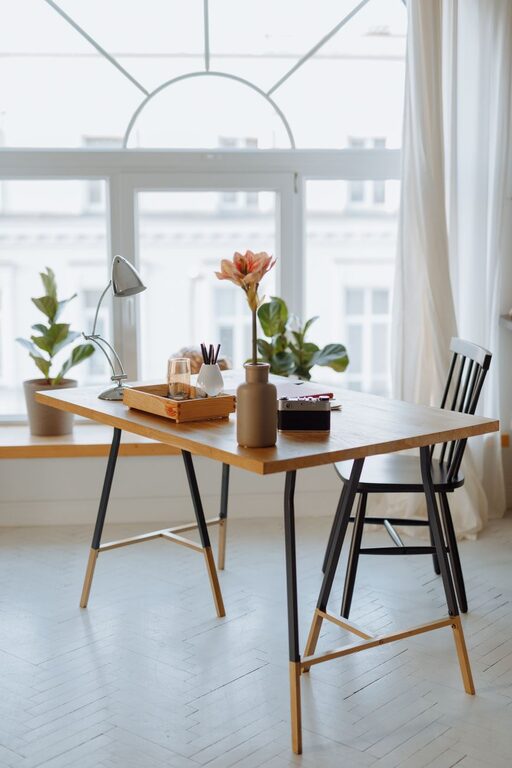
Position your desk near a window if possible. Natural light helps reduce eye strain, lifts your mood, and keeps you alert throughout the day. If natural light is limited, invest in full-spectrum bulbs that mimic daylight.
Consider Noise Levels
If you need quiet to focus, pick a place away from high-traffic areas, loud appliances, or busy family spaces. Alternatively, noise-cancelling headphones or a white noise machine can help minimize distractions.
—
Invest in Comfortable Furniture
Your comfort impacts how long you can work without feeling tired or stiff.
Ergonomic Chair
Choose a chair that supports your posture with adjustable height, lumbar support, and comfortable cushioning. Sitting comfortably helps prevent back and neck pain.
Desk Options
Select a desk that fits your space and work equipment. If space is tight, consider a compact desk or wall-mounted foldable options that free up room when not in use.
Standing Desk Alternatives
If you like to alternate between sitting and standing, try a height-adjustable desk or a desk converter. This can reduce fatigue and encourage movement.
—
Organize Your Space Efficiently
Clutter disrupts focus. Keeping your workspace tidy promotes a clear mind.
Use Storage Solutions
Incorporate shelves, drawers, or filing cabinets to store documents, office supplies, and personal items. Labeling storage can speed up finding materials when you need them.
Keep Essentials Handy
Arrange your most-used items—pens, notebooks, charger cords—within easy reach to minimize interruptions during work.
Cable Management
Use clips, sleeves, or cable boxes to keep cords organized and out of the way, creating a neat surface and preventing tripping hazards.
—
Personalize Your Workspace for Comfort
Adding personal touches makes the area feel pleasant and inviting.
Soft Textiles
Include cozy elements like a soft rug, cushioned chair pad, or a throw blanket to add warmth and texture.
Plants
Having a few small plants can improve air quality and add a touch of nature, which has been shown to decrease stress.
Art and Inspiration
Display art, photos, or quotes that motivate you or bring a smile. Make sure these do not clutter the desk but complement the space.
—
Lighting Tips
Lighting affects both your comfort and the quality of your work.
Task Lighting
Use a desk lamp with adjustable brightness to focus light where you need it. This reduces eye strain, especially in the evenings.
Ambient Lighting
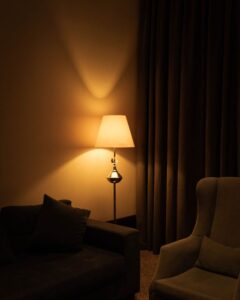
Avoid harsh overhead lighting by combining ambient lights like floor lamps or wall lights to create a soft, welcoming glow.
—
Technology Setup
Technology should make your work easier, not more frustrating.
Reliable Internet
Ensure your Wi-Fi is strong in your workspace or consider a wired connection for stability.
Quality Equipment
Invest in a good monitor, keyboard, and mouse that suit your workflow. Using ergonomic devices can prevent repetitive strain injuries.
Backup Power
Surge protectors and uninterruptible power supplies protect your devices and prevent data loss during power outages.
—
Develop Habits to Keep the Space Functional
A well-organized workspace requires regular upkeep.
End-of-Day Reset
Spend a few minutes at the end of each day tidying your desk and organizing materials. This prepares you for a fresh start the next morning.
Limit Personal Items
While personalization is important, avoid overcrowding your workspace so it remains uncluttered and functional.
Schedule Breaks
Remember to step away from your workspace regularly to stretch and rest your eyes, supporting both comfort and productivity.
—
Conclusion
Creating a cozy and functional home workspace doesn’t require a complete remodel. By carefully choosing the location, investing in comfortable furniture, organizing efficiently, and adding personal touches, you can build a space that encourages focus and makes working from home enjoyable. Remember, the best workspace is one that suits your unique needs and habits while fostering a positive, inviting atmosphere.
With these tips, you’re well on your way to developing a home office space where productivity and comfort coexist harmoniously. Happy decorating—and happy working!