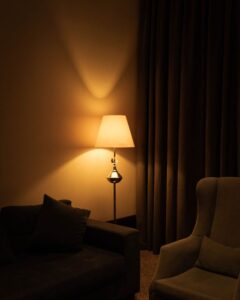

Creating a productive home office environment is key to staying focused and motivated while working remotely. With the rise of telecommuting, having a dedicated and efficient workspace can make a significant difference in your daily work routine. Whether you have a small corner or a separate room, the right setup helps minimize distractions and keeps you comfortable throughout the day.
In this article, we’ll explore useful tips to help you design a home office that supports productivity, organization, and well-being.
Choose the Right Location
Selecting the ideal spot for your home office is the first step toward creating a productive environment.
– Find a quiet area: Choose a location with minimal noise and foot traffic to reduce distractions.
– Consider natural light: Position your desk near a window to benefit from natural light, which can improve mood and energy.
– Separate from living spaces: If possible, avoid working in places like the kitchen or bedroom to maintain clear boundaries between work and personal life.
Invest in Comfortable Furniture
Your comfort directly impacts how well you work, so prioritize ergonomic furniture.
– Desk: A sturdy desk with enough surface area for your computer, documents, and accessories is essential.
– Chair: Select a supportive office chair that encourages good posture and reduces strain on your back and neck.
– Adjustable elements: Adjustable chairs and desks allow you to customize your setup to suit your height and preferences.
Organize Your Workspace
Clutter can lead to stress and distraction. Keeping your workstation tidy helps maintain focus.
– Use storage solutions: Drawers, shelves, and organizers can help keep items neatly stored and easily accessible.
– Keep essentials nearby: Only keep frequently used tools and materials on your desk.
– Declutter regularly: Make it a habit to clean and organize your workspace at the end of each day.
Optimize Lighting
Proper lighting reduces eye strain and creates an inviting work environment.
– Natural light: Maximize daylight exposure while controlling glare with shades or curtains.
– Task lighting: Use desk lamps with adjustable brightness and positioning to focus light where needed.
– Ambient lighting: Soft overhead lighting can fill the room without causing harsh shadows.
Minimize Distractions
Reducing interruptions supports sustained concentration during work hours.
– Set boundaries: Communicate your work schedule to family or housemates.
– Limit technology distractions: Mute non-essential notifications and consider apps that block distracting websites during work time.
– Designate quiet zones: Use noise-cancelling headphones or white noise machines if background sounds are unavoidable.
Personalize Your Space
Adding personal touches can make your office more inviting and motivating.
– Add plants: Indoor plants enhance air quality and create a calming atmosphere.
– Include artwork or photos: Visual elements that inspire or bring joy can boost creativity.
– Choose colors wisely: Soft, neutral tones promote calm, while splashes of vibrant color can energize.
Maintain a Comfortable Temperature and Airflow
A comfortable climate helps you stay focused and comfortable.
– Control temperature: Use fans, heaters, or air conditioning to maintain a pleasant room temperature.
– Circulate fresh air: Open windows or use air purifiers for better air quality.
Develop a Routine and Take Breaks
A well-structured routine helps foster productivity and prevents burnout.
– Set working hours: Stick to regular start and end times.
– Take breaks: Schedule short breaks every hour to stretch or relax your eyes.
– Create rituals: Starting and ending your day with specific activities can signal the transition between work and personal time.
Use Technology Wisely
Leverage technology to streamline your workday.
– Ergonomic accessories: Keyboards and mice designed to reduce strain support long-term comfort.
– Reliable internet: Ensure your connection is fast and stable to avoid disruptions.
– Organizational tools: Utilize calendars, task management apps, and note-taking software to track work efficiently.
Final Thoughts
Designing a productive home office takes some planning and experimentation, but the benefits are well worth the effort. By selecting the right location, organizing your space, minimizing distractions, and prioritizing comfort, you can create an environment that supports your best work.
Remember, your home office should be a place where you feel motivated and focused while also maintaining a proper work-life balance. Take small steps to improve your setup today and enjoy a more productive remote working experience.